A clean dashboard, a supple weather seal and a well-kept vinyl boat seat need care suited to their materials. 303 Aerospace Protectant belongs in that routine when you want a natural-looking finish on compatible surfaces. Choosing the right area matters just as much as applying the product correctly. The fabric cushion beside a vinyl seat, for example, needs a different treatment.
This guide helps you decide where Aerospace Protectant fits, prepare a manageable job and finish without wet patches or streaks. Start with the surface you want to care for, check its own care instructions, then compare the 303 Aerospace Protectant directions with the method below. The label on your bottle governs application and handling.
What 303 Aerospace Protectant does
Aerospace Protectant is a water-based surface treatment intended to help protect compatible materials against UV-related fading and deterioration. Its finish is matte rather than deliberately glossy. Gold Eagle lists vinyl, rubber, plastic, finished leather, fiberglass and colored gelcoat among suitable materials, subject to its exclusions. It also describes dust and dirt repellency. These benefits make it useful where you want a cared-for appearance without a wet-looking coating.
Think about the result you need before opening the bottle. A dull dashboard might need cleaning, an uneven trim panel might have old product on it, and a cracked seal might need replacement. Those are different jobs. A protectant cannot be expected to repair a tear, reconstruct worn texture or resolve a mechanical leak. Inspect the condition first so you can judge the result against a realistic purpose.
After cleaning, the surface itself gives you a better starting point. You can see whether discoloration was dirt, whether a mark remains and whether the finish is intact. If you are uncertain about a coating, aftermarket wrap or repaired area, ask its maker before applying anything. Gold Eagle's Aerospace Protectant information explains the formula's intended surfaces and current directions.
Aerospace, Automotive Protectant or Fabric Guard?
The names can suggest three versions of the same job, but the useful distinction is between a surface protectant and a fabric water-repellency treatment. Gold Eagle says its Aerospace, Automotive and Marine protectant labels serve different markets while sharing the protectant formula and application method. Buying a second label does not create a separate treatment step.
303 Automotive Protectant is therefore a sensible comparison when your shopping list centers on vehicle trim and interior materials. Compare the actual bottle size, package and directions instead of assuming the word Aerospace means stronger protection. Keep similarly named detailers, cleaners and coatings separate: the shared-formula statement does not apply to every product carrying a 303 logo. See the manufacturer's Automotive Protectant page for its specific uses.
| Your task | Product to consider | Decision that matters |
|---|---|---|
| Care for compatible opaque vinyl, rubber or plastic | Aerospace or Automotive Protectant | Confirm the surface is permitted and finish by wiping dry. |
| Restore water repellency on outdoor fabric | Fabric Guard | Identify the fabric and allow the label's full curing conditions. |
| Remove dirt before protection | A cleaner approved for that material | Complete cleaning and drying before deciding on treatment. |
| Care for a clear vinyl enclosure | A suitable clear-vinyl product | Check the enclosure maker's instructions; exclude Aerospace Protectant. |
| Add an exterior paint coating | A dedicated paint-care formula | Choose for that finish and follow the coating's separate instructions. |
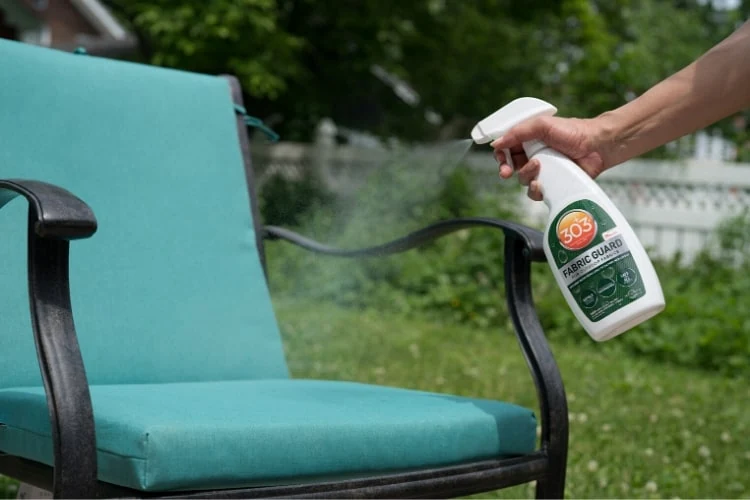
Fabric Guard belongs with suitable outdoor textiles, such as fabric covers and cushions. It is not the treatment for a plastic dashboard and does not directly add UV protection to fabric. It also requires a different application environment and drying plan. Read the 303 Fabric Guard guide before treating a fabric top or patio set. Gold Eagle's Fabric Guard instructions distinguish outdoor fabric use from indoor upholstery.
Identify every material before you begin
A vehicle interior is a collection of materials, even when its colors match. The dashboard surround may be textured plastic, the instrument cover transparent plastic, the seat partly finished leather and partly fabric, and the console decorated with a special coating. A suitable product for one area should not travel across all of them on the same cloth.
Gold Eagle explicitly excludes fabrics, unfinished leather such as suede, flooring, clear plastics, gauge panels and headlights from Aerospace Protectant use. Keep those exclusions visible in your plan. Do not interpret a general word such as plastic as permission to treat a clear instrument lens. The manufacturer's protectant guidance makes the same distinction.
Make a small inventory before a larger job. For a convertible, list the dashboard, seat surfaces, weather seals, roof material and rear window separately. For a boat, separate seat vinyl from canvas and clear enclosure panels. This takes little time and prevents the common mistake of buying one bottle for an object whose parts need several different approaches.
Include the surfaces you intend to leave alone. Electronics, display screens, controls and unfamiliar decorative finishes should follow their own manufacturer's care instructions. If you cannot confidently identify an area, skip it while you complete the confirmed parts. A tidy result on a smaller, suitable area is more useful than experimenting across an entire interior.
Finished leather, vinyl and interior trim
The word leather is not enough to establish compatibility. Aerospace Protectant's permitted list specifies finished leather, while unfinished leather and suede are excluded. A vehicle's upholstery description or care manual is a better starting point than appearance alone. If the finish has worn away, is peeling or has been repaired, ask the upholstery supplier how to treat it.
Plan the seat as a series of small areas rather than one large panel. Note fabric inserts, seams, perforations and neighboring trim before you start. Apply only where the product and seat instructions permit it, control the cloth carefully, and avoid leaving liquid in openings. Recheck the completed section before moving to the next cushion or seatback.
If the main problem is dirt on compatible finished leather, investigate the cleaning step first. Gold Eagle's Leather 3-in-1 Complete Care is a separate cleaner and conditioner with its own exclusions and test-area directions. Do not substitute product names in an application recipe or assume that layering several treatments will improve the finish.
On a dashboard or door panel, work around the actual edges of the material. A narrow trim strip may sit beside glass, fabric or a speaker opening. Loading a cloth away from those areas gives you better placement control than spraying toward the whole assembly. Move your position when needed so you can see the far edge instead of reaching blindly.
Prepare the space, towels and work order
Choose a place where the application area is out of direct sunlight and where you can see it clearly. Set aside enough time to clean, dry, apply and finish. If a single uninterrupted session is unrealistic, reduce the scope to one door panel, one group of seals or a few confirmed vinyl cushions. Leaving a half-finished large area is harder to assess later.
Have separate clean cloths available for cleaning, application and final drying. Give each one a clear role. A folded towel provides several faces, which helps you notice when one becomes dirty or loaded with product. Keep unused cloths somewhere clean rather than placing them on the ground, a tire or a dusty seat track.
For an unfamiliar approved material, start in an inconspicuous area and inspect the completed result before expanding the job. Choose a spot that represents the same finish as the visible area. A hidden underside made from a different plastic will not tell you much about a coated upper panel. If the item instructions prohibit aftermarket treatments, a successful small trial does not override that restriction.
Keep the bottle available while you work. If a question arises, its exact product name, size and label directions help distinguish it from similar formulas. For handling information, Gold Eagle provides an SDS lookup by product code. Match the document to the bottle instead of selecting a sheet based only on the brand name.
Protect adjacent materials from overspray and set the bottle where it will not tip. Read the handling and storage information before starting, especially if other cleaning products are already on the workbench. Use each formula as directed and do not mix products in a spray bottle. If a cleaner requires rinsing or a particular drying step, finish that process before using protectant.
Pick a route that avoids revisiting completed sections unnecessarily. Inside a vehicle, that might mean doing one door at a time and leaving seats until the surrounding work is finished. Around patio furniture, complete one chair before opening the next. The best order is the one that lets you track what is clean, what is treated and what still needs attention.
Clean thoroughly and let the surface dry
Cleaning deserves its own pass. Remove loose dirt using the method appropriate to the surface, then address marks with a compatible cleaner. Check whether the item manufacturer allows that cleaner, particularly on coated, repaired or delicate finishes. Do not use protectant as a shortcut for removing contamination that is still visible or transferring to the cleaning cloth.
For water-safe materials, 303 Multi-Surface Cleaner is one possible preparation product. Its directions call for wetting the spot, gentle agitation with a soft brush or wet cloth, removal with a damp cloth and drying. Difficult fabric stains should follow the fabric maker's advice. The Multi-Surface Cleaner page explains that cleaning method and its material scope.
Take a second look at corners and lower edges after the broad surface looks clean. Dirt often remains where a cloth turns around a seam or stops against adjacent trim. If the cleaning cloth keeps picking up grime, continue the cleaning process rather than sealing the job with another product. Change to a clean cloth face so you can judge progress accurately.
Allow the area to become dry before protection. A seam can retain moisture after the exposed panel looks ready, so inspect the details instead of relying only on the center. Keep a record of an existing stain or damaged patch if you are uncertain about it. That makes the final inspection a fair comparison with the condition you started from.
Apply 303 Aerospace Protectant and wipe completely dry
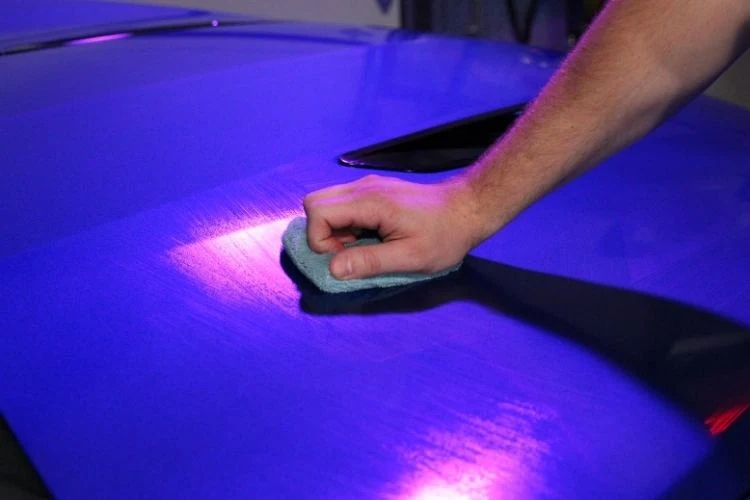
The application is straightforward, but the finish depends on completing it. Gold Eagle permits application to the surface or to a microfiber towel, away from direct sun, followed by thorough wiping. If too much has been used, its support instructions advise removing the excess with a wet towel. See Gold Eagle's application guidance.
- Confirm the starting area. Choose a small, compatible section that is clean and dry. Check your bottle label and any item-specific care requirements before proceeding.
- Control placement. Apply to a microfiber cloth when working close to excluded materials. Keep the bottle pointed away from glass, fabric, screens and controls while loading the cloth.
- Spread evenly. Work across the chosen section so you can see where the product has gone. Avoid repeatedly loading the same spot while neighboring areas remain untouched.
- Finish with a clean dry cloth. Wipe and buff the treated area completely dry. Aerospace Protectant does not air-dry, so waiting is not a substitute for this step.
- Inspect from more than one angle. Look for wet edges, streaks and product caught in texture. Remove excess as directed and finish again with a dry cloth before continuing.
There is no useful universal spray count for every job. A narrow weather seal and a broad vinyl panel present very different areas. Begin with a controlled amount, watch how the cloth distributes it, and keep the section small enough to finish properly. If your final towel is becoming damp, use a clean dry one instead of continuing with the same loaded face.
Before calling the area complete, move any masking or protective cloth and check the boundary. Then put the item back into its normal viewing position. An open car door can make a missed lower edge easy to overlook; a seat cushion tilted for cleaning may hide a wet seam. This final look is part of the application, not an optional polishing flourish.
Troubleshoot streaks and uneven patches
When a finish looks uneven, pause before adding more product. Gold Eagle identifies overapplication and incomplete buffing as common reasons for streaks. Adding another wet layer can make the situation harder to assess. Inspect the cloth, the material and the lighting, then work on a small affected area rather than repeating the entire job.
| What you notice | First check | Practical next step |
|---|---|---|
| Visible streaks on an approved surface | Was excess product left behind? | Remove excess with a damp cloth, then buff completely dry. |
| The finishing cloth feels wet | Is the same face being used repeatedly? | Switch to a clean dry cloth and inspect the section again. |
| One patch looks different | Was it equally clean before treatment? | Assess contamination or existing wear before applying anything else. |
| Liquid remains beside an edge | Did the applicator carry too much into the detail? | Remove it carefully and finish the area before moving on. |
| A mark remains after cleaning | Could it be damage rather than dirt? | Ask the item maker about repair or appropriate stain treatment. |
Do not turn a small correction into an improvised stripping job. An aggressive cleaner or hard scrubbing can introduce a second problem, particularly on a delicate finish. If product has reached an excluded surface, follow that surface maker's cleanup guidance or contact product support with its material details. Avoid experimenting with solvents because a general household remedy happened to work elsewhere.
For the next session, change one practical part of your method: a smaller section, better light, a cleaner finishing towel or more controlled placement. That makes your own routine easier to repeat. You do not need a complicated detailing system to recognize that a large wet panel is harder to finish than a modest area you can inspect closely.
Rubber, exterior trim and weather seals
Rubber and plastic parts vary in shape and exposure. A straight strip of exterior trim is easy to reach, while a weather seal folds around corners and openings. Inspect the part for cracks, missing sections or separation before cleaning it. If you are investigating wind noise or a water leak, identify the physical fault rather than assuming a surface treatment will solve it.
Use the applicator's edge for narrow areas and keep a dry cloth ready for the surrounding bodywork. Open a door or lid only as far as needed to see the intended section comfortably. Do not force a seal out of position to reach underneath it. The item's service instructions remain the reference for disassembly, repair and lubrication.
A dedicated applicator may suit some small seals better than a general spray bottle. Gold Eagle's Rubber Seal Protectant is a distinct product with its own directions. Compare the tool and intended use before buying; do not assume that a more specialized name changes the care needs of a damaged seal.
If your aim is a glossy tire finish, consider that as a separate choice from a matte trim routine. The 303 tire-care range includes different finishes and application formats. Match the product to the exact task and keep application confined to the areas permitted by the tire and product manufacturers.
Plan boats and outdoor furniture by component
A boat presents several adjacent jobs: cleaning seat vinyl, caring for fabric covers and maintaining clear enclosure panels. Keep separate cloths and instructions for each. Gold Eagle's marine-care overview separates these product families. That component-by-component approach is more useful than deciding that every surface needs a marine-labeled spray.
For transparent vinyl, consult the enclosure maker before choosing a cleaner. Gold Eagle offers a Clear Vinyl Protective Cleaner with a separate application method. Keep that job separate from opaque seat vinyl. The distinction is especially helpful when a clear panel meets fabric edging and several materials occupy the same small working area.
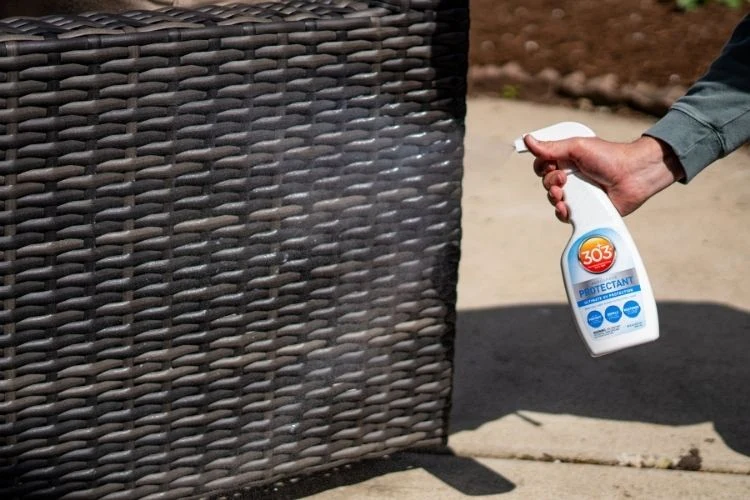
On a patio chair, identify the frame, arms and cushion covering separately. Remove cushions if that is part of the furniture's normal care procedure and it gives you better access. Protect nearby fabrics while working on suitable nonporous parts. On woven or textured pieces, check whether you can actually remove excess product from the details before deciding to treat them.
Outdoor fabric needs its own care route. Sunbrella describes cleaning and then re-treating appropriate outdoor fabric in its 303 fabric-care guide. A fabric treatment does not follow the same wipe-dry method as Aerospace Protectant. Schedule those tasks separately so that the correct cleaning, application and drying instructions stay clear.
Build a seasonal routine you can maintain
Use a calendar to remind you to inspect, not to apply product automatically to everything. Record the area, product and date after a treatment, then follow the current label's reapplication guidance. Include whether the item was cleaned again between treatments. A short note is particularly useful when one bottle serves a vehicle, outdoor furniture and seasonal equipment.
In spring, begin with a condition check after storage. Open covers, inspect accessible surfaces and decide which parts need cleaning before you plan protection. Put damaged items on a separate repair list. Completing that assessment first prevents an ambitious afternoon of detailing from becoming a series of interrupted trips for replacement parts and different cleaners.
During summer, plan around access and shade. A smaller early-day session may be easier than trying to finish a whole vehicle in a sunny driveway. For frequently used outdoor furniture, choose a time when you can complete the work before the next gathering. Keep the product's required conditions in charge of the schedule.
In fall, clear away accumulated dirt before seasonal storage and inspect the areas that were difficult to see during regular use. Store products according to their labels, with closures secure and names visible. Before the next season, review what is actually left in each bottle rather than buying duplicates based on memory.
Ordinary care between applications still matters. Address fresh messes using the material's approved cleaning method, and avoid repeatedly adding protectant just because the bottle is convenient. If the project extends to paint, compare a dedicated exterior routine in the 303 graphene and ceramic guide. Its application steps should remain distinct from your trim-care process.
Common questions about Aerospace Protectant
Can I use Aerospace Protectant on a fabric convertible top?
No. Fabric is excluded. Confirm whether your top is fabric or vinyl before buying a treatment. A fabric top follows its own cleaning and water-repellency process, described in the Fabric Guard guide. Its transparent rear window is another separate material.
Should I use both Aerospace and Automotive Protectant?
Gold Eagle describes the shared protectant formula under these market labels. There is no need to treat the labels as consecutive steps. Choose the appropriate package, read its current directions and keep other 303 cleaners, detailers and coatings clearly distinguished.
Can I leave the product to dry overnight?
Aerospace Protectant needs to be wiped completely dry. Do not leave a wet application waiting for the air to finish the job. If the area is too large to complete comfortably, work in smaller sections and keep enough clean dry towels available.
Does a darker finish mean a damaged part has been repaired?
No. Judge condition separately from appearance. Examine cracks, tears, peeling finishes and loose seals on their own terms. A part that looks more even after care may still need repair or replacement according to its manufacturer's guidance.
Where should I start with a mixed collection of products?
Choose one material and one task first. Compare the 303 protectants, then check the exact product's permitted surfaces and application method. Put the products you do not need back on the shelf before beginning the job.